
Water, Memory, and Trauma
Los renglones torcidos de DiosIgnacio’s fear of water illustrates how a symptom can conceal an unbearable memory until a new encounter makes the past conscious.
increasing Bearing strength in each event
 decreasing
Bearing strength in each eventdecreasingA Fear Without a Story
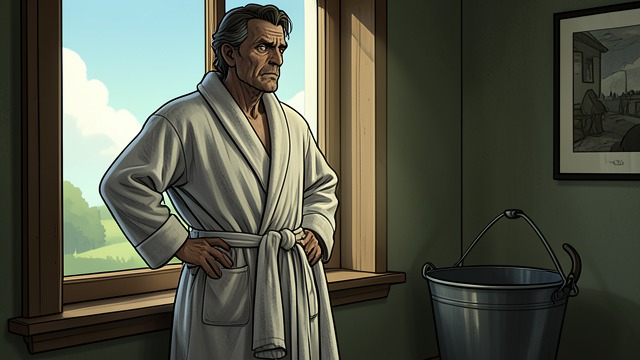
The Body Remembers
A sudden phobia
Ignacio once swam and competed successfully, then developed terror at the sight, sound, or touch of water. The change disrupts his life, though neither he nor his doctors can identify its cause.
A symptom as defense
He believes the phobia is a cover for something hidden. The idea makes the symptom more than a fear: it becomes a barrier maintained by the mind against an unknown history.
Repetition in the Pool
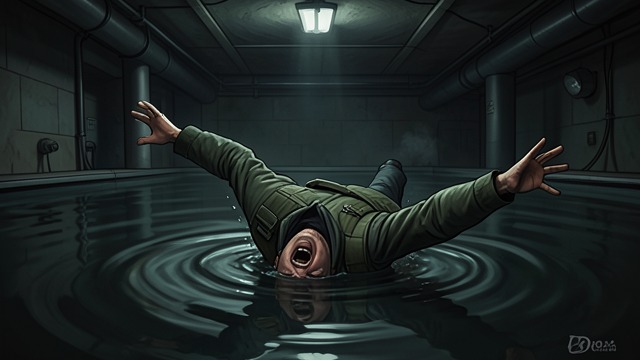
The Past Returns Physically
A reenacted sensation
Being thrown into the hospital pool reproduces the fall of childhood with striking force. Ignacio’s body reacts before he can explain why the present feels identical to an earlier event.
The defense loosens
As he swims, the old memory becomes available. The water that once served as the focus of terror becomes the route through which the concealed event returns to consciousness.
The Cost of Knowing
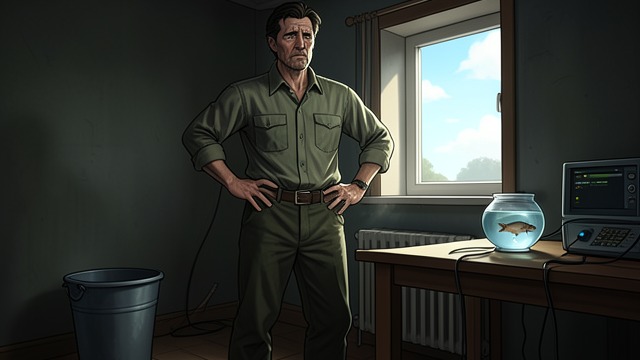
Memory After the Cure
A death acknowledged
Ignacio understands that his childhood retaliation contributed to Chemari’s drowning. The phobia disappears, but the recovered memory brings a painful moral truth.
A new form of choice
He asks to remain under observation, not because water still controls him but because he fears losing Alice and needs time to understand his new life. Healing changes the burden rather than simply removing it.
Before Alice becomes Ignacio’s friend
After patients carry Ignacio to the swimming pool
At the meal after Ignacio’s recovery
